Welcome to Our Vanam India Foundation - Trust Reg no : 99/2015
Have any question? ++91 4255 255 256

S.F.No.1/3, Kovai Trichy Main Road,
Kalivelampatti Post,
Opposite to Kongu Kalyana mandapam- Tamil Nadu, Palladam - 641662
- Send your mail at
- trustvanam@gmail.com
- Working Hours
- Mon-Sat:9.30 AM To 6.00 PM
Blog
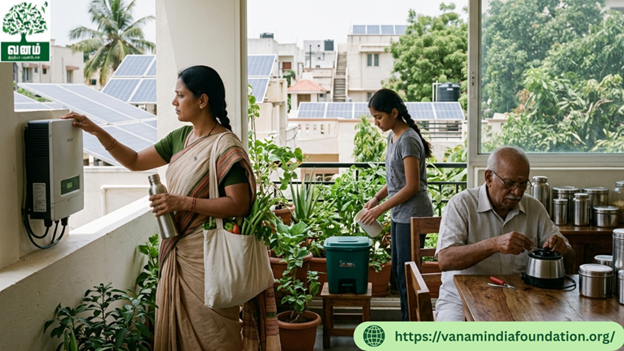
In a rapidly changing world, the urgency to adopt sustainable living practices has never been greater. Climate change, resource depletion, and environmental degradation are no longer distant concerns—they are realities shaping our present and future. Within the first steps of creating meaningful change, individuals, communities, and organizations must rethink how they live, consume, and interact with the planet.
Sustainable living practices focus on reducing environmental impact through conscious choices, from energy use to consumption habits. These practices are not about drastic lifestyle overhauls but about consistent, intentional improvements in everyday behavior. Whether it’s minimizing waste, conserving energy, or supporting eco-conscious brands, every action contributes to a broader environmental impact.
This blog explores how sustainability goes beyond surface-level actions and becomes a long-term mindset. It connects environmental responsibility with human behavior, systems thinking, and strategic decision-making. You’ll discover practical insights, common mistakes, and the role of technology in shaping a greener future—while also uncovering deeper perspectives that influence lasting change.
The Evolution of Sustainable Thinking
Sustainability was once viewed as a niche concern, often limited to environmental activists or policy discussions. Today, it has become a global priority influencing industries, education, and personal lifestyles. The evolution of sustainable living practices reflects a shift from awareness to action.
Beyond Plantation: Long-Term Impact of Sustainable Habits
Planting trees has long been symbolic of environmental action, but sustainability extends far beyond this. True impact lies in consistent habits that reduce long-term ecological damage.
Key insights include:
1. Short-term actions create awareness, but long-term habits create change
2. Lifestyle shifts influence consumption patterns across generations
3. Sustainable habits reduce dependency on finite resources
The idea is simple: while plantation drives are important, they must be complemented with eco-friendly lifestyle tips such as reducing plastic use, conserving water, and adopting renewable energy sources.
Contextual Drivers of Sustainability
Several global factors have accelerated the adoption of sustainability:
1. Rising global temperatures and climate crises
2. Increased urbanization and resource demand
3. Consumer awareness and ethical purchasing behavior
These factors highlight why green living ideas are no longer optional but essential for long-term survival and growth.
Behaviour, Systems, and Decision-Making
Understanding sustainability requires more than action—it demands analysis. Why do people adopt or ignore sustainable living practices? The answer lies in behavior, systems, and incentives.
Green Mindset Revolution: Behaviour as the Core Driver
Infrastructure is only one aspect of sustainability; another is mindset. Human behavior determines whether sustainable systems succeed or fail.
Critical behavioral factors include:
1. Habit formation and resistance to change
2. Perceived convenience vs environmental responsibility
3. Social influence and cultural norms
Adopting eco-friendly lifestyle tips becomes easier when they align with convenience and social acceptance.
Systems Thinking in Sustainability
Sustainability operates within interconnected systems:
1. Economic systems (production and consumption)
2. Environmental systems (ecosystems and resources)
3. Social systems (communities and behaviors)
A change in one area impacts others. For example, reducing plastic consumption influences manufacturing, waste management, and environmental health simultaneously.
Analytical Perspective
To implement effective green living ideas, individuals and organizations must:
1. Evaluate long-term impact over short-term gain
2. Consider lifecycle analysis of products
3. Align sustainability with economic viability
This analytical approach ensures that sustainability is practical, scalable, and impactful.
Practical Applications: From Awareness to Action
Applying sustainable living practices in real-world settings requires clarity and consistency. Whether in academic environments or professional industries, sustainability can be integrated seamlessly.
Academic Applications
Sustainable thinking is greatly influenced by educational institutions:
1. Introducing sustainability-focused curricula
2. Encouraging research on environmental solutions
3. Promoting campus-wide eco initiatives
Students exposed to eco-friendly lifestyle tips early are more likely to adopt them long-term.
Professional Applications
Businesses are progressively incorporating sustainability into their daily operations:
1. Reducing carbon footprint through energy-efficient systems
2. Adopting sustainable supply chain practices
3. Encouraging employees to follow green living ideas
Everyday Practical Steps
Here are actionable ways individuals can contribute:
At Home:
1. Use energy-efficient appliances
2. Reduce water wastage
3. Practice waste segregation
At Work:
1. Minimize paper usage
2. Encourage remote collaboration
3. Support sustainable initiatives
In Lifestyle:
1. Choose reusable products
2. Support eco-conscious brands
3. Reduce unnecessary consumption
Common Mistakes in Sustainable Living
Even with the best intentions, people often make mistakes when adopting sustainable living practices. Recognizing these helps in making more effective changes.
Top Mistakes to Avoid
1.Focusing Only on Visible Actions
Many people prioritize visible actions like recycling while ignoring high-impact changes like energy consumption.
2.Expecting Immediate Results
Sustainability is a long-term process. Lack of immediate results can discourage consistency.
3.Ignoring Behavioural Change
Without mindset shifts, actions remain temporary. True sustainability requires habit transformation.
4.Overconsumption of “Eco-Friendly” Products
Buying more—even if eco-friendly—can still harm the environment.
5.Lack of Awareness and Education
Misunderstanding sustainability leads to ineffective or counterproductive actions.
Avoiding these mistakes ensures that eco-friendly lifestyle tips translate into meaningful impact.
Role of Modern Tools and Technology
The advancement of sustainable living practices is greatly aided by technology. It enables efficiency, scalability, and innovation in sustainability efforts.
Technological Innovations
1. Smart home systems for energy efficiency
2. Renewable energy technologies (solar, wind)
3. AI-driven waste management systems
Digital Influence
Mobile apps and platforms promote green living ideas by:
1. Tracking carbon footprint
2. Encouraging sustainable habits
3. Connecting eco-conscious communities
Systems Design: Building a Sustainable Tomorrow
Modern systems shape daily behavior. From urban planning to digital ecosystems, design influences sustainability.
Key elements include:
1. Infrastructure that promotes public transport
2. Digital tools that reduce resource consumption
3. Policies that encourage sustainable choices
Psychological and Strategic Perspectives
Sustainability is deeply connected to human psychology and strategic thinking. Understanding this connection enhances the effectiveness of sustainable living practices.
From Consumption to Conscious Living
Modern society is driven by consumption. Transitioning to conscious living requires:
1. Awareness of resource usage
2. Intentional decision-making
3. Emotional connection to environmental impact
Strategic Thinking for Sustainability
Strategic approaches include:
1. Setting realistic sustainability goals
2. Measuring progress over time
3. Aligning sustainability with personal values
Behavioural Triggers for Change
1. Social proof (seeing others adopt sustainable habits)
2. Convenience (easy-to-follow eco-friendly lifestyle tips)
3. Incentives (financial or social rewards)
When sustainability aligns with human psychology, it becomes sustainable in itself.
Creating Impact Through Everyday Choice
The journey toward a sustainable future begins with individual responsibility and expands into collective action. By adopting sustainable living practices, we can reduce environmental impact, conserve resources, and create a healthier world for future generations. Importance of conserving plants, animals, and a clean environment reinforces the need to protect natural ecosystems as a core part of sustainability.
This blog highlighted how sustainability goes beyond simple actions and becomes a mindset rooted in behavior, systems thinking, and strategic planning. From understanding the importance of long-term habits to leveraging modern technology, every aspect plays a role in shaping a greener future.
As we move forward, the focus must shift from awareness to implementation. Small, consistent actions—guided by eco-friendly lifestyle tips and innovative green living ideas—can create significant change over time. The future is not something we wait for; it is something we actively build through our choices today.
FAQ Section
1. What are sustainable living practices and why are they important?
Sustainable living practices involve making conscious lifestyle choices that reduce environmental impact. They are important because they help conserve natural resources, reduce pollution, and ensure a better future for coming generations.
2. How can I start adopting eco-friendly habits?
Start with simple eco-friendly lifestyle tips like reducing plastic use, conserving energy, and supporting sustainable brands. Small changes gradually build into long-term habits.
3. Are green living ideas expensive to implement?
Not necessarily. Many green living ideas such as reducing waste or conserving energy actually save money over time while benefiting the environment.
4. How do sustainable living practices impact daily life?
They influence everyday decisions—from what you buy to how you travel—making your lifestyle more conscious and environmentally responsible.
5. Can technology improve sustainability?
Yes, technology enhances sustainable living practices by improving efficiency, reducing waste, and promoting smarter resource management.